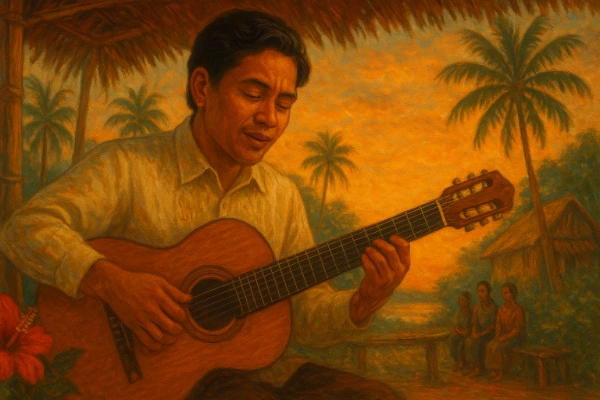
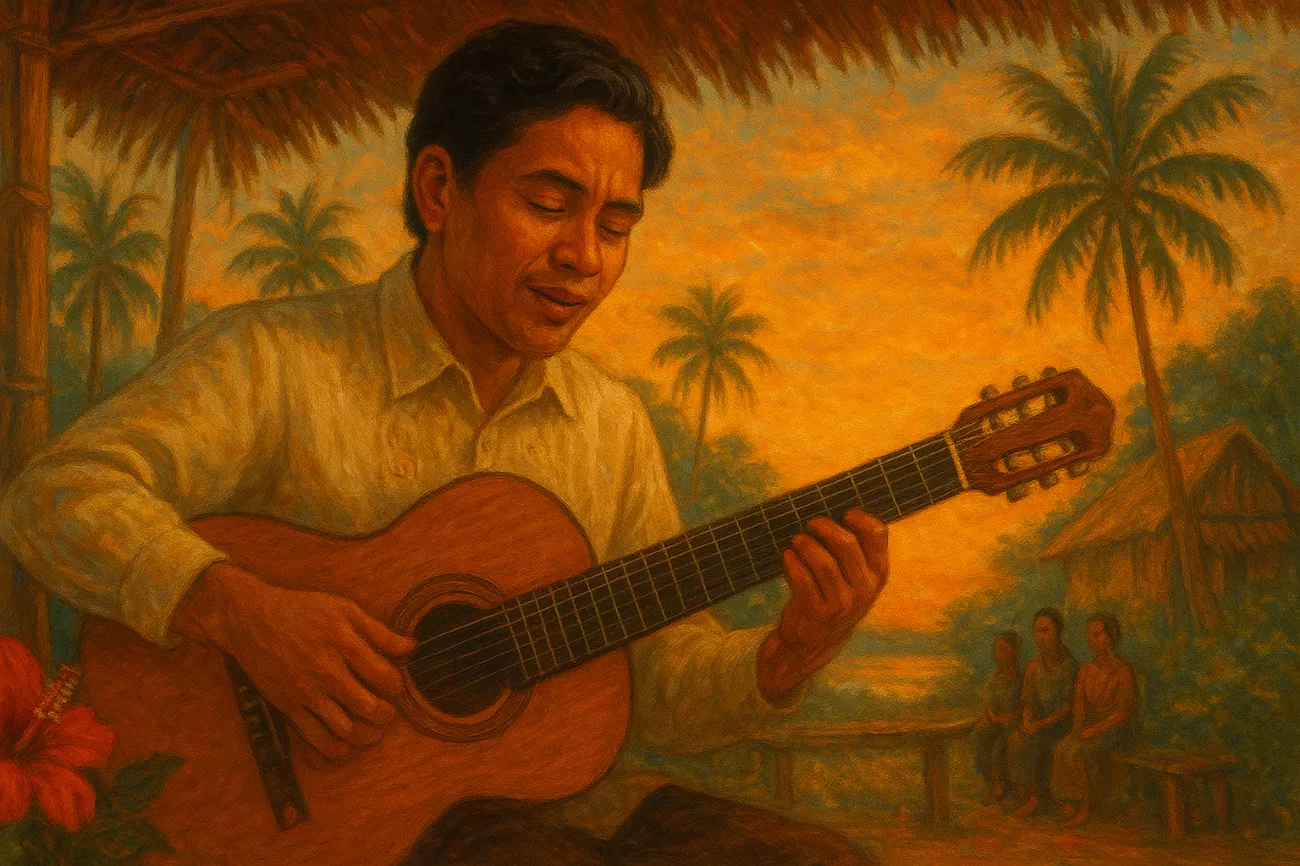
When one thinks of traditional Filipino music, images of rondalla ensembles, haranas under moonlit windows, or the kulintang of Mindanao might come to mind. But tucked away in the heart of the Visayas and parts of Mindanao lies a lesser-known, yet deeply expressive guitar tradition known as kinablit — a unique form of fingerstyle guitar playing that has long been a cultural staple among Cebuano-speaking communities.
What Is Kinablit?
"Kinablit" comes from the Cebuano word kablit, which roughly translates to "to pluck" or "to snap," aptly describing the dynamic technique employed by players. This fingerstyle method involves plucking the strings individually, often creating intricate rhythms, melodies, and basslines simultaneously — all with a single guitar. The result is a rich, polyphonic soundscape that can evoke a whole ensemble.
Kinablit isn’t just a musical technique; it’s a storytelling tool. Guitarists often use it to interpret balitaw, harana, folk songs, or even popular ballads, imbuing them with deep emotion and rhythmic complexity.
Roots and Cultural Significance
Though formal historical records of kinablit are scarce, oral traditions and anecdotal evidence suggest that it emerged from a confluence of Spanish guitar techniques and indigenous musical sensibilities. During the Spanish colonial era, the guitar became an accessible and favored instrument across the archipelago. In the Visayas, where the guitar found a natural home, local musicians developed their own approach to suit regional tastes and cultural expressions.
Kinablit, with its intricate fingerpicking and syncopated rhythms, may have evolved partly as a solo alternative to the ensemble-based rondalla. It allowed solo performers — often men performing harana or musicians at town fiestas and family gatherings — to express full harmonic and melodic textures with just six strings and nimble fingers.
Hallmarks of Kinablit Style
- Alternating Bass and Melody: Like classical and American folk fingerstyle, kinablit players often alternate bass notes with thumb strokes while the index and middle fingers handle melody and harmony.
- Syncopated Rhythms: Rhythmic displacement is key. Players often "dance" across the beat, giving kinablit a lively, almost percussive character.
- Tuning Variations: While standard tuning is common, some kinablit guitarists use drop D or open tunings to enhance resonance or suit a specific piece.
- Improvisation: Many kinablit pieces are passed down orally and rely heavily on improvisation. A performer may ornament a simple melody with flourishes, grace notes, or rhythmic variations depending on mood and audience.
Not Just Folk: Kinablit Today
While kinablit is rooted in folk tradition, it is far from static. Contemporary Visayan musicians continue to innovate within the style, integrating jazz, blues, and even pop influences. Some use it to accompany bisrock (Bisaya rock), gospel, or modern interpretations of folk love songs.
In Cebu, Davao, and neighboring provinces, street performers, church musicians, and family patriarchs alike carry on the tradition, often without formal training — learning instead by ear, by heart, and by watching the hands of their elders.
Preserving a Living Art
Despite its richness, kinablit remains underrepresented in formal music education and national cultural narratives. Documenting this tradition — through video tutorials, songbooks, and research — is vital. Fortunately, local cultural advocates, independent researchers, and even YouTube guitarists are starting to shine a light on it.
In the same way that flamenco, delta blues, and slack-key guitar have gained global recognition, kinablit deserves a place on the world’s folk music map — not only as a technique, but as a soulful expression of Visayan identity.
Final Thoughts
Kinablit is more than just a fingerstyle technique. It's the sound of love songs under palm trees, of fiesta afternoons, and of quiet evenings on bamboo porches. It is Cebuano culture rendered in six strings. As more young Filipinos rediscover their roots, traditions like kinablit can find new life — blending past and present, just as the best folk traditions always do.
Have you seen kinablit played live or learned it yourself? Share your experience or videos in the comments below — let’s celebrate this beautiful Filipino guitar heritage together.